
21 day hormone reset diet plan pdf
In a world craving swift solutions, the 21-Day Hormone Reset Diet emerges as a popular trend, promising hormonal recalibration amidst modern, stressful lifestyles and processed foods.
What is the Hormone Reset Diet?
The Hormone Reset Diet is a circulating health trend, a 21-day plan designed to address hormonal imbalances often stemming from contemporary lifestyles. It’s a response to the pervasive issues of stress and the consumption of heavily processed foods, both of which significantly disrupt the body’s delicate hormonal equilibrium. This diet isn’t about restrictive calorie counting, but rather focuses on strategically recalibrating the body’s seven major hormones.
It aims to offer a ‘quick fix’ – though experts caution against viewing it as a permanent solution – by providing a structured approach to dietary changes. The core principle revolves around providing the body with the necessary nutrients to restore hormonal harmony, potentially alleviating symptoms like fatigue and unwanted weight gain. It’s presented as a method to counteract the effects of our fast-paced, instant-gratification culture.
The Science Behind Hormonal Imbalance
Hormonal imbalance isn’t simply a buzzword; it’s a physiological state rooted in the disruption of the endocrine system. Modern life, with its chronic stressors and readily available processed foods, significantly contributes to this disruption. Constant stress elevates cortisol levels, impacting other hormones like insulin and those regulating appetite – ghrelin and leptin.
Processed foods often lack essential nutrients needed for hormone production and can promote inflammation, further exacerbating imbalances. This cascade effect can lead to a range of symptoms, including fatigue, weight fluctuations, and mood disturbances. The Hormone Reset Diet attempts to address these issues by providing a nutritional framework designed to support optimal hormone function and restore equilibrium within the body’s complex hormonal network.

Understanding the Seven Key Hormones
The Hormone Reset Diet focuses on recalibrating seven major hormones—cortisol, insulin, estrogen, testosterone, thyroid hormones, ghrelin, and melatonin—vital for overall wellbeing.

Cortisol & Stress Management
Cortisol, often dubbed the “stress hormone,” plays a crucial role in the body’s response to stressors; However, chronic stress leads to consistently elevated cortisol levels, disrupting hormonal balance and contributing to fatigue, weight gain, and various health issues. The 21-Day Hormone Reset Diet emphasizes strategies to manage cortisol effectively.
Modern lifestyles, characterized by relentless demands and constant stimulation, frequently trigger the release of cortisol. This diet aims to mitigate these effects through dietary adjustments and lifestyle modifications. Reducing processed foods, prioritizing adequate sleep, and incorporating stress-reduction techniques are central to lowering cortisol and restoring hormonal harmony. By addressing the root causes of stress, the diet supports a healthier cortisol response and improved overall wellbeing.
Insulin & Blood Sugar Regulation
Insulin, a key hormone regulating blood sugar levels, is significantly impacted by dietary choices. Frequent consumption of processed foods and sugary drinks leads to insulin resistance, where cells become less responsive to insulin’s signal, resulting in elevated blood sugar and potential weight gain. The 21-Day Hormone Reset Diet prioritizes stabilizing blood sugar and improving insulin sensitivity.
This is achieved through a focus on whole, unprocessed foods with a low glycemic index. The diet emphasizes balanced meals combining protein, healthy fats, and fiber to slow down glucose absorption. By minimizing sugar intake and refined carbohydrates, the diet aims to restore optimal insulin function, promoting stable energy levels and supporting healthy weight management. Consistent blood sugar control is fundamental to overall hormonal balance.
Estrogen & Women’s Health
Estrogen plays a crucial role in women’s health, influencing reproductive function, mood, and bone density. Modern lifestyles can disrupt estrogen balance, leading to symptoms like irregular cycles, mood swings, and weight fluctuations. The 21-Day Hormone Reset Diet addresses estrogen regulation through targeted nutritional strategies.
The diet incorporates foods that support healthy estrogen metabolism, such as cruciferous vegetables (broccoli, cauliflower) which contain compounds aiding detoxification. It also emphasizes fiber intake to promote the elimination of excess estrogen. Reducing processed foods, sugar, and excessive alcohol consumption is vital, as these can exacerbate hormonal imbalances. By optimizing estrogen levels, the diet aims to alleviate associated symptoms and promote overall well-being for women.
Testosterone & Men’s Health
Testosterone is a vital hormone for men, impacting muscle mass, energy levels, and libido. Contemporary lifestyles, often characterized by stress and poor dietary choices, can contribute to declining testosterone levels. The 21-Day Hormone Reset Diet seeks to naturally support healthy testosterone production through specific nutritional interventions.
The diet prioritizes adequate protein intake, essential for testosterone synthesis, alongside healthy fats which serve as building blocks for hormone production. Incorporating zinc-rich foods, like oysters and pumpkin seeds, is also encouraged, as zinc plays a key role in testosterone regulation. Minimizing sugar, processed foods, and excessive alcohol is crucial, as these can negatively impact testosterone levels. The goal is to optimize hormonal balance and enhance overall vitality in men.
Thyroid Hormones & Metabolism
Thyroid hormones are central to regulating metabolism, influencing energy expenditure, and maintaining a healthy weight. Disruptions in thyroid function, often stemming from modern stressors and dietary factors, can lead to fatigue, weight gain, and other metabolic issues. The 21-Day Hormone Reset Diet aims to support optimal thyroid function through targeted nutritional strategies.
The diet emphasizes incorporating iodine-rich foods, such as seaweed and fish, essential for thyroid hormone production. Selenium, found in Brazil nuts and sunflower seeds, is also crucial for thyroid health. Reducing intake of goitrogenic foods – those that can interfere with thyroid hormone synthesis – like raw cruciferous vegetables, is recommended. By optimizing nutrient intake and minimizing potential disruptors, the diet supports a healthy metabolism and overall energy balance.
Ghrelin & Leptin ‒ Appetite Control
Ghrelin and leptin are key hormones governing appetite and satiety. Ghrelin stimulates hunger, while leptin signals fullness. Modern diets, high in processed foods and sugar, can disrupt this delicate balance, leading to overeating and weight gain. The 21-Day Hormone Reset Diet focuses on restoring hormonal harmony to regain control over appetite.
The diet prioritizes protein-rich foods at each meal, which promote leptin production and enhance feelings of fullness. Fiber-rich vegetables and healthy fats also contribute to satiety. By minimizing refined carbohydrates and sugars, the diet aims to reduce ghrelin spikes and cravings. This approach supports natural appetite regulation, making it easier to adhere to a healthy eating pattern and achieve sustainable weight management.
Melatonin & Sleep Quality
Melatonin, often called the “sleep hormone,” is crucial for regulating sleep-wake cycles. Disrupted sleep patterns are common in today’s fast-paced world and significantly impact hormonal balance. The 21-Day Hormone Reset Diet recognizes the vital link between sleep and hormonal health, prioritizing strategies to improve sleep quality.
The diet emphasizes avoiding caffeine and alcohol, especially in the evening, as these can interfere with melatonin production. It also encourages regular meal times to support circadian rhythm stability. Incorporating magnesium-rich foods, like leafy greens, can further promote relaxation and sleep. Prioritizing 7-9 hours of quality sleep each night is a cornerstone of the diet, allowing the body to naturally restore hormonal balance and optimize overall well-being.

The 21-Day Diet Plan: Phases & Focus
This diet unfolds in three phases: Reset, Rebuild, and Rebalance, each strategically designed to recalibrate the body’s seven major hormones over a 21-day period.
Phase 1: The Reset Phase (Days 1-7)
The initial seven days of the 21-Day Hormone Reset Diet are dedicated to a strict “Reset Phase,” designed to swiftly reduce inflammation and begin the process of hormonal recalibration. This phase heavily emphasizes eliminating common inflammatory triggers found in modern diets. Expect a significant reduction in processed foods, sugar, caffeine, alcohol, and potentially even certain fruits.
The focus is on whole, unprocessed foods – lean proteins, healthy fats, and non-starchy vegetables – to provide essential nutrients without spiking insulin or contributing to hormonal imbalances. Hydration is paramount during this phase, encouraging ample water intake to support detoxification pathways. This initial stage aims to create a clean slate, preparing the body for the subsequent phases of rebuilding and rebalancing hormonal function. It’s a period of discipline, laying the foundation for lasting change.
Phase 2: The Rebuild Phase (Days 8-14)
Following the intensive Reset Phase, Days 8-14 constitute the Rebuild Phase, focusing on nourishing the body and supporting hormonal recovery. While still adhering to the principles of whole-food eating, this phase introduces slightly more flexibility and variety. Strategic carbohydrate reintroduction, prioritizing complex carbohydrates like sweet potatoes and quinoa, begins to support adrenal function and energy levels.
Healthy fats remain a cornerstone, crucial for hormone production. Lean protein intake continues to be emphasized for muscle maintenance and satiety. The Rebuild Phase isn’t about restriction, but rather about carefully selecting foods that actively contribute to hormonal balance. It’s a period of gentle rebuilding, allowing the body to adapt and respond positively to the dietary changes initiated in Phase 1, fostering sustainable progress.
Phase 3: The Rebalance Phase (Days 15-21)
The final stage, Days 15-21, marks the Rebalance Phase, designed to solidify the gains made during the previous phases and establish long-term hormonal harmony. This phase introduces even greater dietary freedom, allowing for mindful inclusion of previously restricted foods. The focus shifts towards identifying individual sensitivities and creating a personalized eating plan that supports optimal well-being.
Portion control and mindful eating become paramount, encouraging a sustainable relationship with food. Continued emphasis on whole, unprocessed foods remains crucial. This phase isn’t about returning to old habits, but about integrating the principles of the diet into a balanced lifestyle. It’s a period of self-discovery, empowering individuals to maintain hormonal balance long after the 21 days conclude, fostering lasting health.

Core Dietary Principles
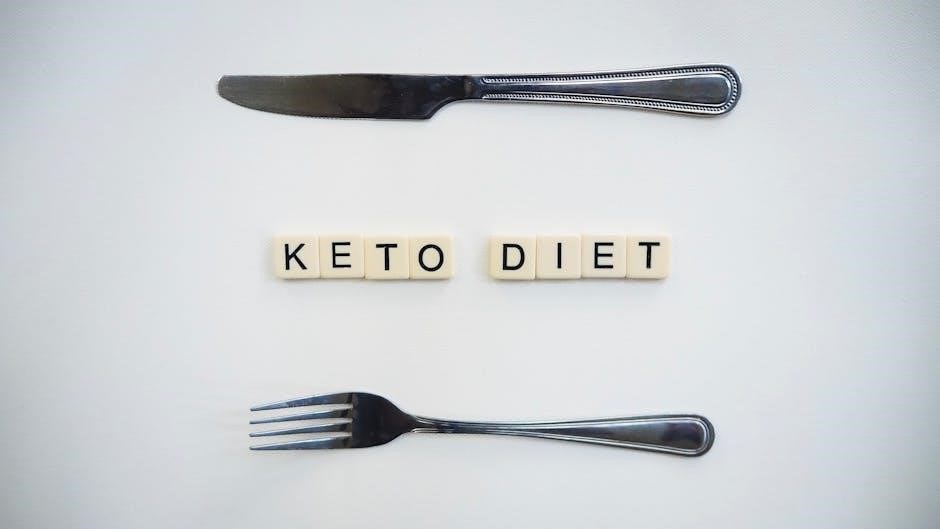
The diet prioritizes whole, unprocessed foods to recalibrate the body’s systems, minimizing disruptions caused by modern lifestyles and promoting hormonal balance effectively.

Foods to Include
Embracing a foundation of whole, unprocessed foods is central to the 21-Day Hormone Reset Diet. Prioritize non-starchy vegetables like leafy greens, broccoli, and cauliflower, providing essential nutrients without significant blood sugar impact. Lean proteins – fish, poultry, and plant-based sources like lentils and beans – support hormone production and satiety.
Healthy fats, found in avocados, nuts, seeds, and olive oil, are crucial for hormone synthesis and overall well-being. Incorporate low-glycemic fruits like berries in moderation. Complex carbohydrates, such as quinoa and sweet potatoes, offer sustained energy. Focus on fiber-rich foods to aid digestion and regulate blood sugar. Hydration is paramount; drink plenty of water throughout the day to support metabolic processes and hormonal balance. These choices collectively aim to nourish the body and restore hormonal harmony.

Foods to Avoid
To effectively reset hormonal balance, the 21-Day Hormone Reset Diet necessitates eliminating foods that disrupt this delicate system. Highly processed foods, laden with artificial ingredients and unhealthy fats, are strictly prohibited. Refined sugars and excessive carbohydrates, including white bread and pastries, cause blood sugar spikes and insulin resistance.
Conventional dairy, often containing hormones and inflammatory compounds, should be avoided. Limit or eliminate caffeine and alcohol, as they can interfere with sleep and stress hormone regulation. Certain vegetable oils, like soybean and corn oil, contribute to inflammation. Processed meats and sugary beverages are also off-limits. Prioritizing whole, unprocessed foods is key to minimizing hormonal disruption and supporting the body’s natural reset process.

Supplements & Lifestyle Factors
Beyond diet, optimizing hormone health requires strategic supplementation and lifestyle adjustments, focusing on sleep quality and effective stress reduction techniques.
Recommended Supplements
While the 21-Day Hormone Reset Diet prioritizes food as medicine, certain supplements can offer additional support during the recalibration process. It’s crucial to remember that supplements should complement, not replace, a well-structured dietary plan and lifestyle changes. Magnesium, often deficient in modern diets, plays a vital role in stress management and sleep quality, both key for hormonal balance.
Vitamin D, particularly important for those with limited sun exposure, influences hormone production and immune function. Omega-3 fatty acids, found in fish oil, reduce inflammation, which can disrupt hormonal signaling. Probiotics support gut health, a cornerstone of hormone regulation, as a significant portion of hormone conversion occurs within the gut microbiome. Adaptogens, like Ashwagandha, help the body adapt to stress, modulating cortisol levels. Before starting any supplement regimen, consulting with a healthcare professional is essential to determine appropriate dosages and ensure they don’t interact with existing medications or health conditions.
Importance of Sleep
Prioritizing sleep is non-negotiable during the 21-Day Hormone Reset Diet, as it profoundly impacts hormonal regulation. During sleep, the body repairs and rebalances, including the production and regulation of crucial hormones like cortisol, melatonin, and growth hormone. Chronic sleep deprivation disrupts this delicate process, leading to increased cortisol (stress hormone), impaired insulin sensitivity, and reduced melatonin (sleep hormone).
Aim for 7-9 hours of quality sleep each night. Establish a regular sleep schedule, even on weekends, to regulate your body’s natural circadian rhythm. Create a relaxing bedtime routine, avoiding screen time and caffeine before bed. A dark, quiet, and cool sleep environment is also essential. Adequate sleep isn’t merely about feeling rested; it’s a fundamental pillar supporting the diet’s goal of hormonal recalibration and overall well-being.
Stress Reduction Techniques
Given that modern lifestyles contribute to hormonal imbalances, incorporating stress reduction techniques is vital during the 21-Day Hormone Reset Diet. Chronic stress elevates cortisol levels, disrupting other hormonal functions and hindering weight management. Implementing mindful practices can significantly mitigate these effects.
Explore techniques like deep breathing exercises, meditation, and yoga to calm the nervous system and lower cortisol. Regular physical activity, such as walking or swimming, also serves as a powerful stress reliever. Prioritize activities you enjoy – reading, spending time in nature, or pursuing hobbies – to foster relaxation and emotional well-being. Mindfulness and self-care aren’t luxuries; they are essential components of hormonal balance and successful diet adherence.
Potential Benefits & Risks
The diet aims to address fatigue and weight issues by recalibrating the body’s seven major hormones, though potential side effects and precautions should be considered.
Expected Outcomes
Individuals embarking on the 21-Day Hormone Reset Diet can anticipate a range of potential benefits, primarily centered around restoring hormonal balance and improving overall well-being. A key expected outcome is a reduction in fatigue levels, as the diet aims to address the underlying hormonal imbalances often contributing to persistent tiredness. Many proponents report experiencing positive shifts in weight management, not necessarily through rapid weight loss, but through improved metabolic function and appetite control.
Furthermore, the diet’s emphasis on stress management and sleep quality can lead to noticeable improvements in mood and cognitive function. By focusing on whole, unprocessed foods, participants may also experience enhanced energy levels and a strengthened immune system. It’s important to note that results can vary significantly based on individual factors, adherence to the plan, and pre-existing health conditions. The diet isn’t a ‘quick fix’ but a foundational step towards long-term hormonal health.
Possible Side Effects & Precautions
While generally considered safe, the 21-Day Hormone Reset Diet may present some temporary side effects as the body adjusts to significant dietary changes. Initially, some individuals might experience mild withdrawal symptoms, such as headaches, irritability, or increased hunger, particularly when reducing processed sugar and caffeine intake. Digestive upset, including bloating or changes in bowel movements, is also possible during the initial reset phase.
Precautions are crucial; individuals with pre-existing medical conditions, especially diabetes or thyroid disorders, should consult a healthcare professional before starting. Pregnant or breastfeeding women should avoid this diet. It’s vital to listen to your body and adjust the plan if needed. This diet isn’t intended to replace medical treatment, and consistent monitoring of your health is recommended throughout the 21 days.